

Module 2: Working with Adults
Introduction to Working with Adults
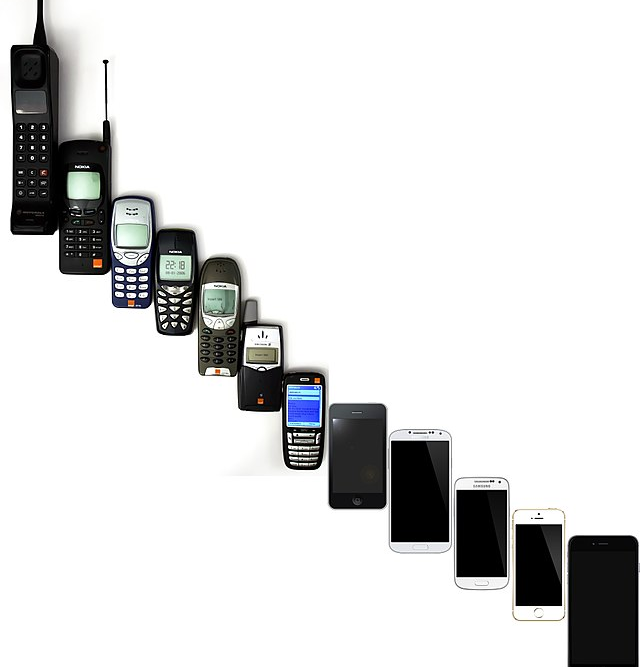
Think about the technologies you have used throughout your life so far. Many of the technologies you may take for granted may actually be relevantly new. For example, laptops and desktop computers have probably always been available in your lifetime. Most people you know may also have a smartphone. You and your friends may also communicate through a variety of social media platforms. None of those technologies have been around all that long, historically speaking.
The first commercial mobile phones available showed up in the 1970s. Now they’re like mini computers we carry around in our pockets. Facebook was released in 2004, but there have been plenty of other social media sites that have been released and even fallen out of use. All of this has likely occurred in your lifetime. New technologies are being released every year.
Consider a few technology milestones that might have occurred during your parents’ or grandparents’ lives that they had to get used to. You were probably born after the year 2000. Your parents probably didn’t have access to computers as easily as you do. Desk-size “personal” computers (PC) didn’t become commonplace until the late 80s and early 90s. The first Apple Macintosh computer was released in 1984 and introduced us to icons, a graphical interface, and a mouse. Even if your parents did have access to a PC at school or at home, they may not have had a way to connect it to the Internet until the 90s or later. And those early connections were so slow! Talk to your parents about dial-up modems and waiting minutes for a picture to download.
People your grandparents’ age or older had even less access to the powerful digital technologies that are now a part of our everyday lives. Phones were connected to a wall with a cord. Movies were primarily shown at theaters. If you took pictures, you had to send your film off for a week or so to be developed before you could see them.
That doesn’t mean older adults aren’t accomplished. Many have earned degrees, raised families, traveled the country or the world, and may have had multiple careers. Some got very good at popular hobbies of their day, including using the technologies of the time. The adults you’re going to be working with can be quite successful in many ways. They just may not have the same technology experiences you’ve had. That doesn’t mean they can’t develop modern digital literacy skills. In fact, they probably want to and will be glad to work with someone like a Digital Ambassador.