
Digital Ambassadors

The Digital Ambassadors CourseModule 5: Interacting With TechnologyObjective 2: Working With Smart DevicesOptional Materials Objective 2
Tablets
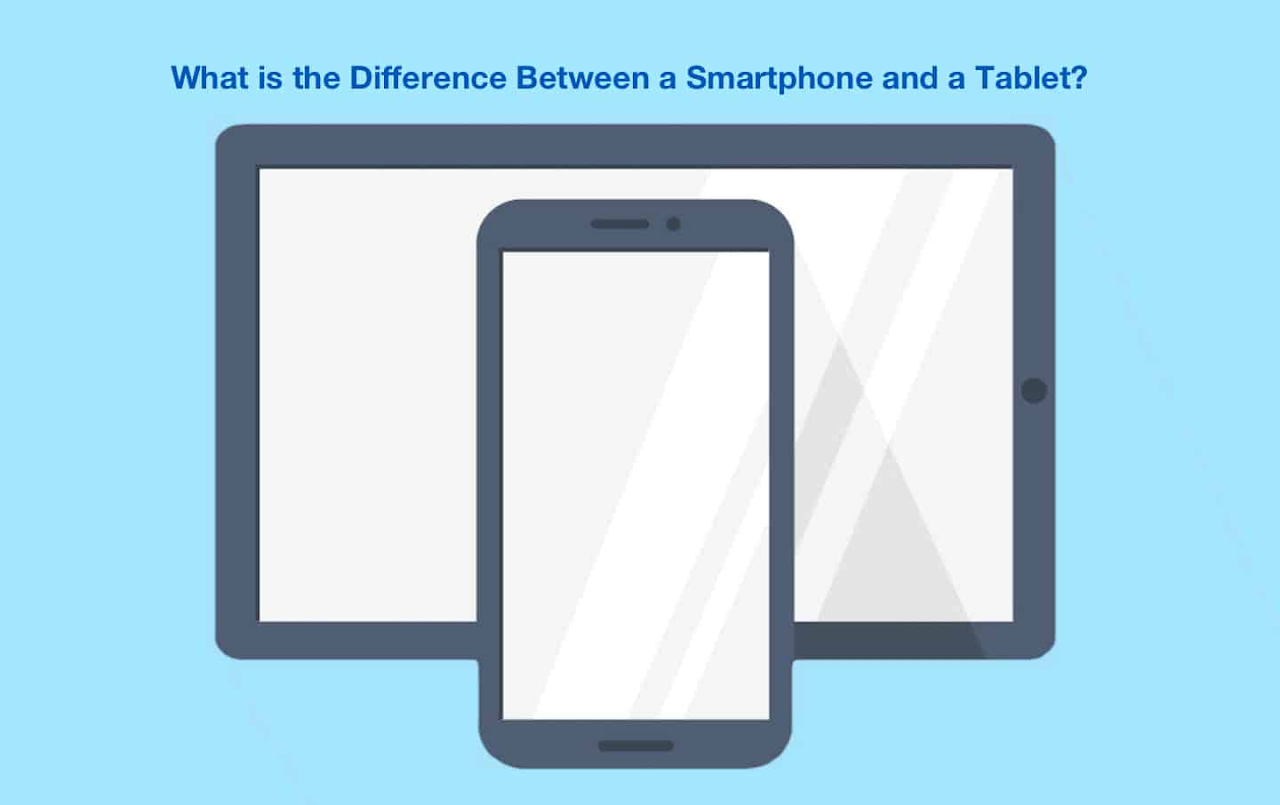
Tablets and smartphones share lots of similarities since they are both part of mobile computing. Many tablets operate similarly to phones using the same operating system. They'll both be addressed as smart devices in this section.
Here are some of the similarities and differences between the two.
Similarities:
- Both use mobile operating systems, such as iOS (for iPhones and iPads), Android (for many smartphones and tablets), and others.
- They both primarily use touchscreens for user input.
- Both can download and run applications from app stores.
- Both can connect to the Internet via WiFi and may have cellular data capabilities.
- Both can be used to play music, watch videos, play games, and browse the web.
- Both have cameras.
- Both are designed to be mobile and battery-operated, making them convenient to use on the go.
Differences:
- The most obvious difference is the size. Smartphones are designed to fit comfortably in a pocket and be used with one hand. Tablets are usually larger and typically used with two hands. There are different sizes of tablets and different sizes of smartphones.
- Smartphones are primarily communication devices (calls and texting), and tablets are geared more toward content consumption and sometimes for creation.
- Tablets can't make calls unless they are using Voiceover IP apps like WhatsApp, Zoom, or Teams.
- Smartphones often have things like cases, camera attachments, and portable chargers. Tablets can have specialized accessories such as keyboards, styluses, and stands.